How Honeycomb Shades Can Help Improve Energy Efficiency
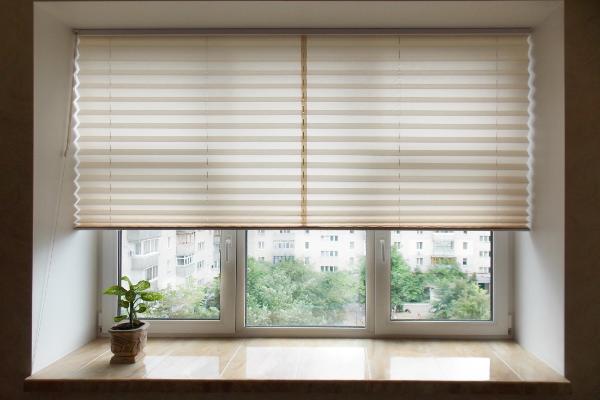
Honeycomb shades, also called cellular shades, are known for their smart design that traps air and helps stabilize indoor temperatures. If you live in Ventura, you know coastal mornings can feel cool and damp while afternoons warm up fast. That daily swing can make your HVAC system work overtime. Installing energy-efficient window treatments that reduce heat transfer is one of the simplest ways to boost comfort without changing your home's character.
In this guide, you'll learn how honeycomb shades work, the real benefits for local homes, and which options matter most. We'll also cover fit and care so your insulated window shades perform season after season. If you're comparing different window coverings, this breakdown will help you choose with confidence.
For expert help selecting energy-efficient window treatments in Ventura, call (805) 201-8374 to speak with Seabreeze Window Coverings today.
What Makes Honeycomb Shades Energy Efficient
The power of honeycomb shades comes from their structure. Each shade is made of fabric that forms rows of air pockets shaped like a beehive. Those air pockets act like a puffy jacket for your windows. In winter, they reduce heat escaping to the outside. In summer, they slow warm air from entering your rooms. Fewer temperature swings mean your heater and air conditioner cycle less, which can lead to steadier comfort.
Think of a coffee cup sleeve. The sleeve's air gaps keep fingers from getting burned because they slow heat transfer. Honeycomb shades work on the same principle, just scaled up for glass. Combine that with a snug fit, and you've got a simple, attractive layer of insulation where it matters most.
How Honeycomb Shades Perform in Ventura's Coastal Climate
Ventura's weather features a marine layer in the morning, bright sun by midday, and cool ocean breezes in the evening. Homes in Pierpont, Ventura Keys, and Midtown often battle afternoon glare and heat on west-facing windows, while foothill neighborhoods like Ondulando and Clearpoint can get dry, warm winds. Honeycomb shades help in both situations by softening glare and reducing heat gain during the day, then holding warmth after sunset.
Local homes also face salt air and UV exposure. Choosing fade-resistant fabrics helps shades keep their color near patios and large sliders, which are common in East Ventura ranch homes and Downtown condos. With the right opacity and fit, you'll notice rooms feel less drafty and more even from wall to wall.
Local insight: West- and south-facing windows in Ventura see strong afternoon sun, especially near the coast. Pair light-filtering honeycomb shades in living spaces with room-darkening in bedrooms for a balanced mix of comfort and privacy.
Key Benefits You'll Notice
Homeowners usually pick honeycomb shades for insulation, but the daily perks go beyond temperature control. Here are the benefits Ventura households tend to notice first:
- Reduced glare during bright afternoons without making rooms feel dark or closed in.
- Cozy mornings as shades help hold warmth when the marine layer keeps the air cool.
- Quieter interiors because the fabric cells can dampen outside noise from streets or surf.
- Better sleep with room-darkening or blackout fabrics, especially in east-facing bedrooms.
- Improved UV protection to help protect floors, rugs, and furniture from fading.
These comfort gains show why people search for energy-saving window coverings that do more than block light. The balanced performance is one of the biggest honeycomb shades benefits.
Single Cell vs. Double Cell: Which is Right for You
Honeycomb shades come in single cell and double cell constructions. Single cell designs have one layer of air pockets and often work well for mild exposures or smaller windows. Double cell shades stack two layers for extra insulation and are popular on larger panes or areas with stronger sun.
Most homes mix both. For example, a Midtown Ventura bungalow might use single cell in shaded rooms and double cell on big sliders facing the backyard. If you're unsure, talk through your window sizes, sun angles, and privacy needs so you can match each space with the right build.
Fabric Opacity: Light-Filtering, Room-Darkening, or Blackout
Fabric choice changes how your home feels all day. Light-filtering fabrics soften glare while keeping natural light. Room-darkening shades reduce more light for TV rooms and nurseries. Blackout options are best for shift workers or anyone sensitive to dawn. Pairing different opacities by room is common in Ventura because coastal light can be intense in one direction and gentle in another.
For street-facing windows in the College Area or Downtown, light-filtering fabrics can add privacy during the day without making rooms gloomy. Bedrooms near busy streets may benefit from room-darkening to cut light and soften noise at night.
Lift Systems and Safety Considerations
Today's lift systems make honeycomb shades safer and easier to use. Cordless designs create a clean look and reduce hazards for kids and pets. Continuous loop systems handle larger, heavier shades with smooth control. Motorized options let you adjust multiple windows with a remote, wall switch, or smart-home app. Timers are helpful for skylights or tall foyer windows that get hot in the afternoon.
Choose cordless or motorized controls if you have children or pets at home to reduce risks and keep sills clutter-free.
Fit and Installation Quality Matter
The same honeycomb shade can perform very differently depending on fit. Gaps around the edges allow light and heat to sneak in. A precise inside mount highlights your trim and looks seamless, while an outside mount can cover small out-of-square openings and reduce side light leaks. Side channels are another option for rooms where darkness is critical.
Professional measuring accounts for window depth, tilt, and obstructions like handles. In Ventura's older bungalows, frames can settle over time, so exact measurements help the shade close evenly. Ask for a tight but functional fit that balances insulation with smooth operation, so you're not fighting the shade every day.
How Honeycomb Shades Compare to Other Energy-Efficient Window Treatments
Cellular shades are top performers for insulation, but they're not the only option. Layering with drapery adds another pocket of still air against the room. Solar screen shades reduce heat and glare while preserving views, which is nice for Ventura Keys canals. Wood or faux wood blinds offer visual warmth but have more open routes for airflow.
Many homeowners choose honeycomb shades as the base and add decorative panels for style and extra insulation. This layered approach protects against afternoon heat without losing the coastal vibe.
Design Choices That Boost Performance and Style
Small decisions add up. Here are smart choices that help your insulated window shades look great and work hard:
- Top-down/bottom-up operation for privacy on sidewalks while keeping sky light.
- Light-colored street-facing fabrics to reflect heat and meet HOA guidelines where required.
- Room-darkening liners in bedrooms that face streetlights or early sun.
- Motorized groups for banks of tall windows common in open-plan living rooms.
- Moisture-resistant materials near kitchens or baths that get ocean air.
If you struggle with hot spots in west-facing rooms, consider double cell shades with an outside mount to reduce edge glow and improve comfort.
Care and Longevity in A Coastal Environment
Ventura's salt air can leave a fine film on glass and sills. Wipe surfaces with a soft, dry cloth and keep tracks clean so the shade glides smoothly. Most cellular fabrics are anti-static and resist dust, which keeps maintenance simple. Avoid harsh cleaners that can affect coatings. Light vacuuming with a brush attachment maintains the pleats.
With regular care and gentle operation, quality honeycomb shades deliver years of steady performance. If you notice uneven lifting or sagging pleats, a quick service visit can tune the lift or confirm sizing still suits the frame.
Where Honeycomb Shades Shine
Consider honeycomb shades in rooms that see the biggest temperature swings. In Pierpont and along Ventura Avenue, living rooms with big sliders face intense afternoon light. Cellular shades cut the heat and soften glare without turning the space cave-like. In the foothills, evening breezes can chill rooms fast after sunset. Insulated shades help hold warmth while you wind down.
For home offices, light-filtering fabrics reduce screen glare but keep you connected to the outdoors. Bedrooms near busy streets benefit from room-darkening fabric and a snug fit to soften light and noise.
Common Selection Mistakes to Avoid
It's easy to focus only on color and forget performance details. Skipping a fit check on out-of-square frames can lead to persistent edge light. Choosing the wrong opacity can leave a bedroom too bright or a living room too dim. Underestimating sun exposure in summer can make a light fabric feel underpowered by August.
Talk through sun angles, privacy needs, and daily routines room by room so you land on the right combination the first time.
When to Upgrade Your Existing Shades
If your current shades feel drafty, show frayed cords, or have broken rails, it may be time to replace them with modern cellular options. Newer fabrics manage light better and are often more durable. Upgrading lift systems can also make tall or wide windows safer and easier to use. Many Ventura homeowners start with bedrooms and west-facing living areas, then finish the rest of the home once they feel the difference.
Your Next Step
Honeycomb shades are a smart, good-looking way to create a steadier indoor climate in Ventura's coastal weather. Whether you're in Midtown, East Ventura, or the Keys, well-fitted cellular shades can help even out hot and cool spots across your day. At Seabreeze Window Coverings, we help match fabric, cell type, and lift system to each room so you get both comfort and style that lasts.
Ready to explore insulated window shades with a local pro? Call (805) 201-8374 and ask about energy-efficient options that suit your home.